For many Maryland homeowners, replacing an HVAC system is a major investment. While newer systems offer improved efficiency, the reality is that many existing units can still perform well with the right care and adjustments. If your system is not as efficient as it once was, there are several practical steps you can take to improve performance without the cost of a full replacement.
At
GEM Residential Services, we help homeowners in Hyattsville, College Park, and surrounding Maryland communities maximize the efficiency of their current systems. With the right approach, you can reduce energy bills, improve comfort, and extend the life of your HVAC equipment.
Why HVAC Efficiency Matters
Your HVAC system accounts for a large portion of your home’s energy usage. When it operates inefficiently, it not only increases utility bills but also places unnecessary strain on components. Over time, this can lead to more frequent repairs and a shorter system lifespan.
Improving efficiency offers several key benefits:
- Lower monthly energy costs
- More consistent indoor temperatures
- Reduced wear and tear on equipment
- Improved indoor air quality
- Greater overall comfort
Even small improvements can make a noticeable difference, especially during Maryland’s peak heating and cooling seasons.
1. Replace Air Filters Regularly
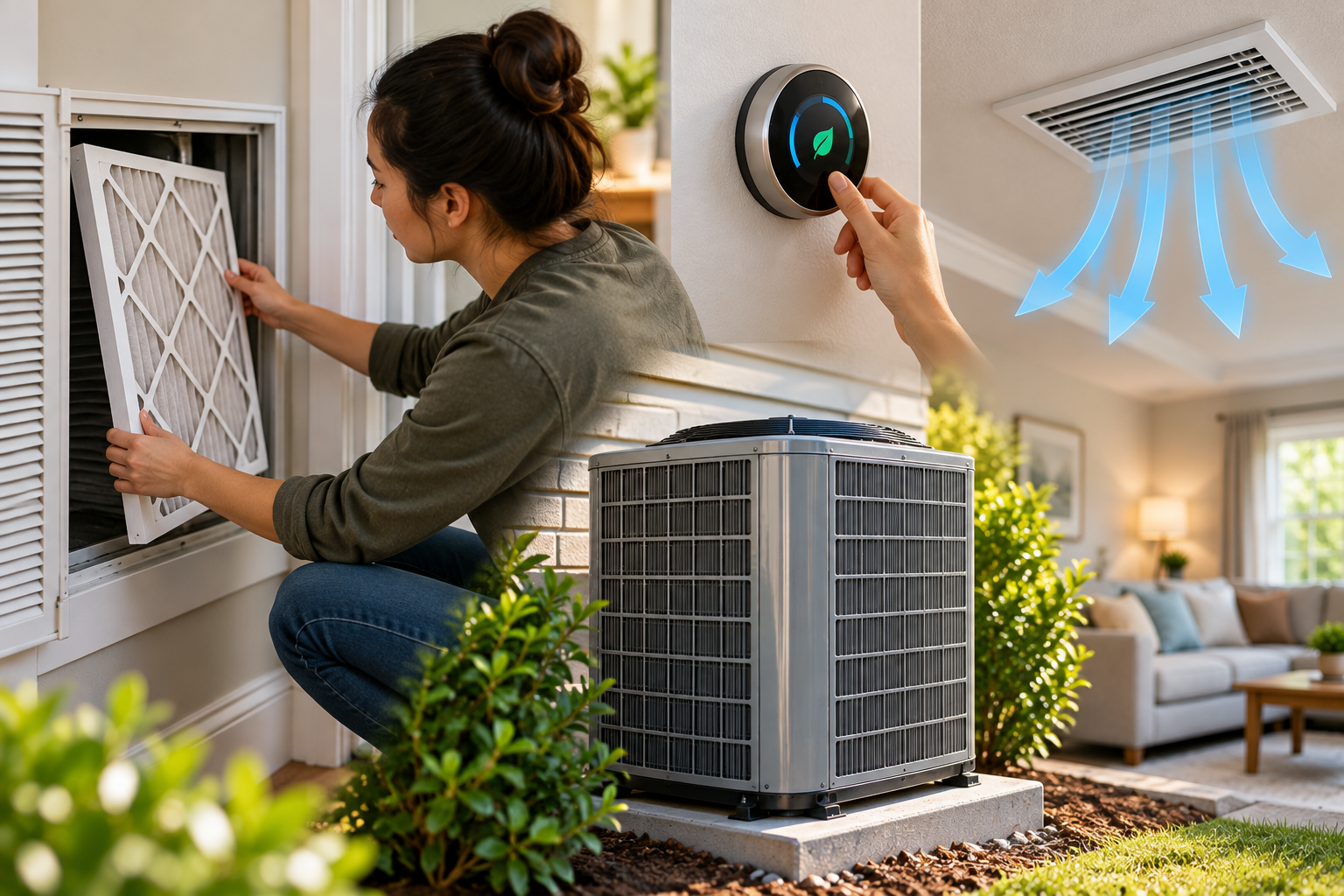
One of the simplest and most effective ways to improve HVAC efficiency is by replacing your air filters. Dirty filters restrict airflow, forcing your system to work harder to circulate air throughout your home.
When airflow is restricted:
- The system runs longer cycles
- Energy consumption increases
- Components experience more stress
Most homeowners should replace filters every one to three months. Homes with pets or high dust levels may require more frequent changes. This small step alone can improve efficiency and extend the life of your system.
2. Schedule Routine Maintenance
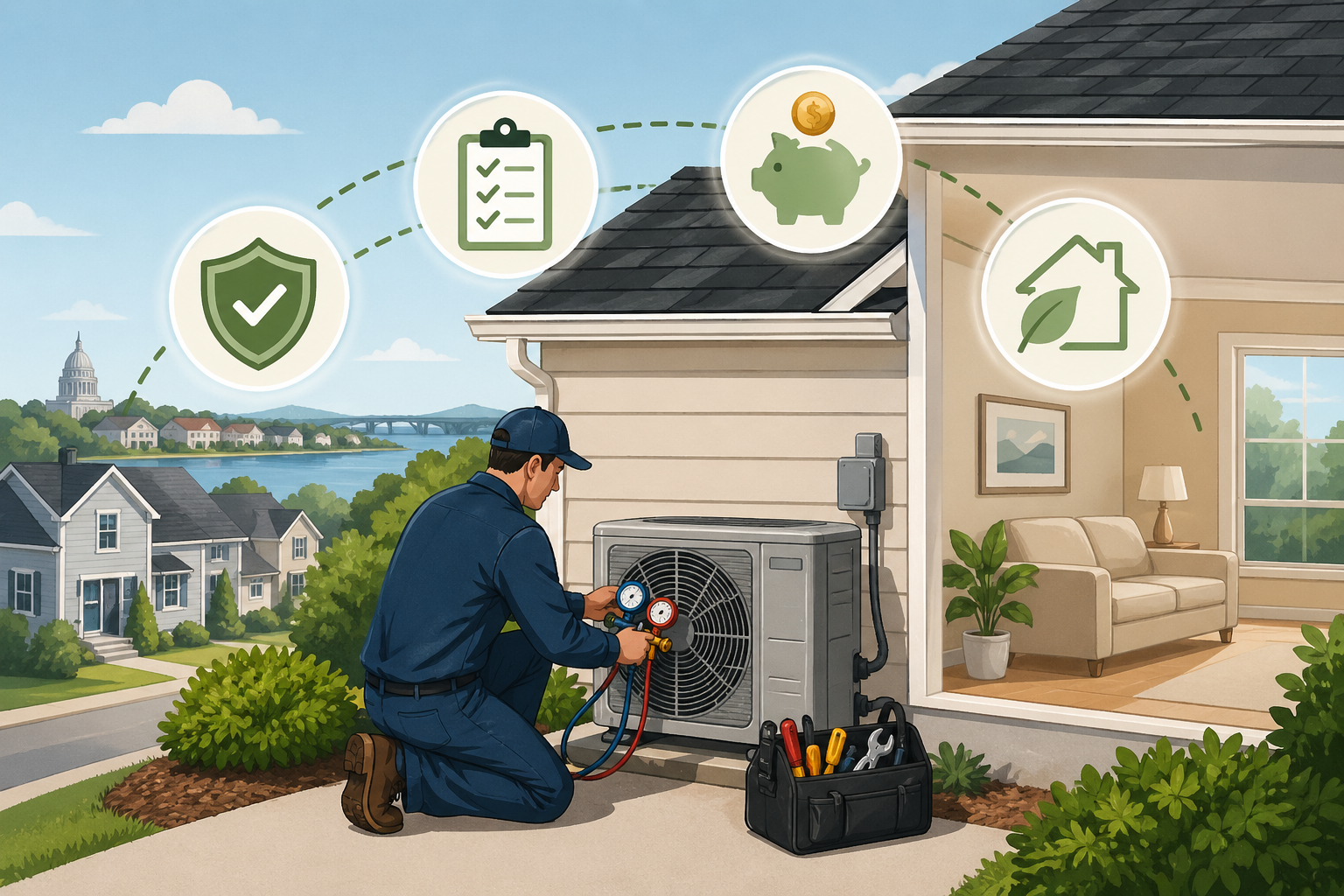
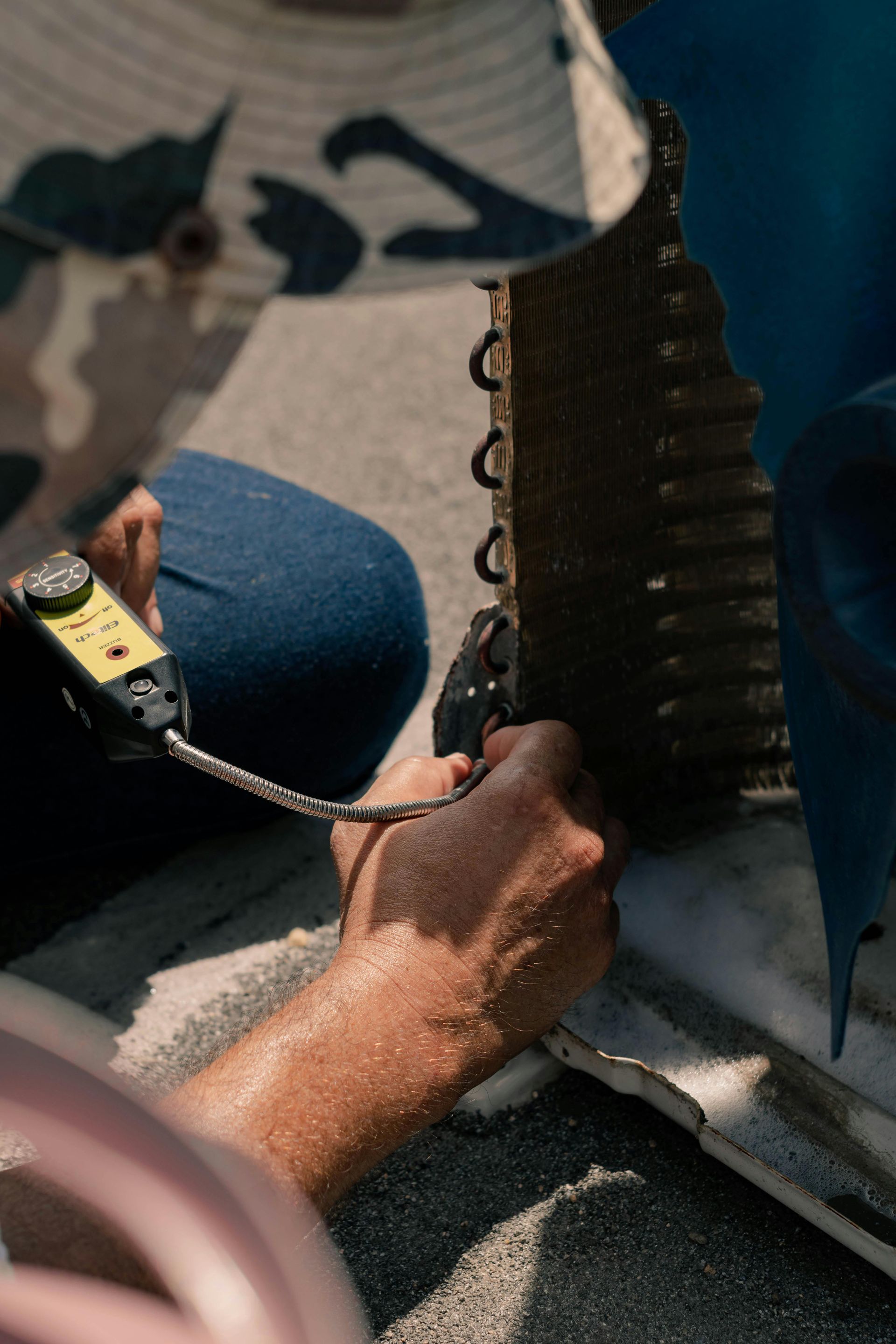
Professional maintenance is essential for keeping your HVAC system running efficiently. During a maintenance visit, technicians clean components, check for wear, and ensure everything is functioning properly.
Routine service includes:
- Cleaning coils and blower components
- Checking refrigerant levels
- Inspecting electrical connections
- Testing airflow and system performance
Regular maintenance helps identify small issues before they become larger problems and keeps your system operating at peak efficiency.
3. Seal Air Leaks in Your Home
Air leaks around windows, doors, and ductwork can significantly reduce HVAC efficiency. When conditioned air escapes, your system must work harder to maintain the desired temperature.
Common areas where leaks occur include:
- Window and door frames
- Attic access points
- Basement or crawl space openings
- Duct joints and connections
Sealing these gaps with caulk or weatherstripping helps retain conditioned air and reduces energy waste. This improvement can make your home feel more comfortable while lowering utility costs.
4. Improve Insulation
Insulation plays a major role in maintaining indoor temperatures. Without proper insulation, your home loses heat in the winter and gains heat in the summer, making your HVAC system work harder.
Upgrading insulation in key areas such as attics and walls helps:
- Maintain consistent indoor temperatures
- Reduce energy consumption
- Improve overall system efficiency
For Maryland homes, attic insulation is especially important due to seasonal temperature extremes.
5. Upgrade to a Smart Thermostat
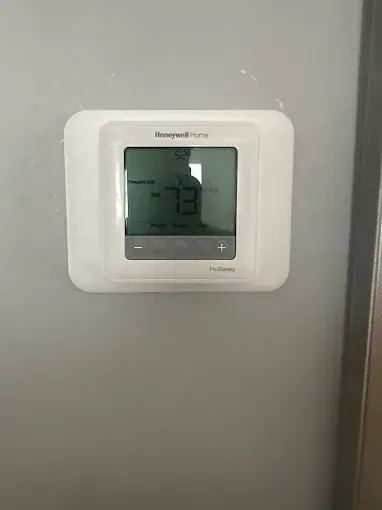
A smart thermostat can significantly improve efficiency without replacing your HVAC system. These devices automatically adjust temperature settings based on your schedule and preferences.
Benefits of smart thermostats include:
- Reduced energy usage when you are away
- Remote control through mobile apps
- More precise temperature management
- Energy usage tracking and insights
By optimizing temperature settings, a smart thermostat helps your system run only when necessary, reducing strain and saving money.
6. Keep Vents and Registers Clear
Blocked vents can disrupt airflow and reduce system efficiency. When air cannot circulate properly, your HVAC system must work harder to maintain comfort.
To improve airflow:
- Keep furniture away from vents
- Ensure all vents are open
- Clean dust and debris from vent covers
Proper airflow ensures that conditioned air reaches every room evenly, improving both comfort and efficiency.
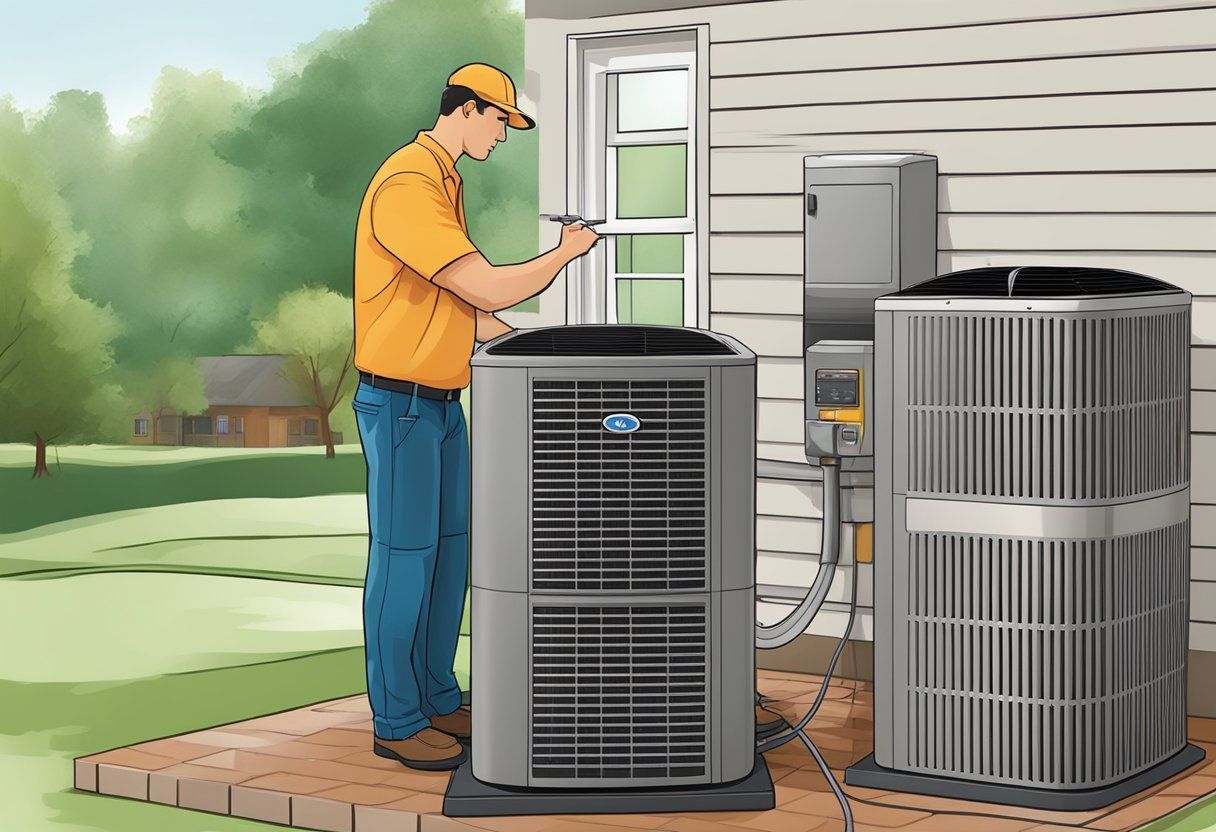
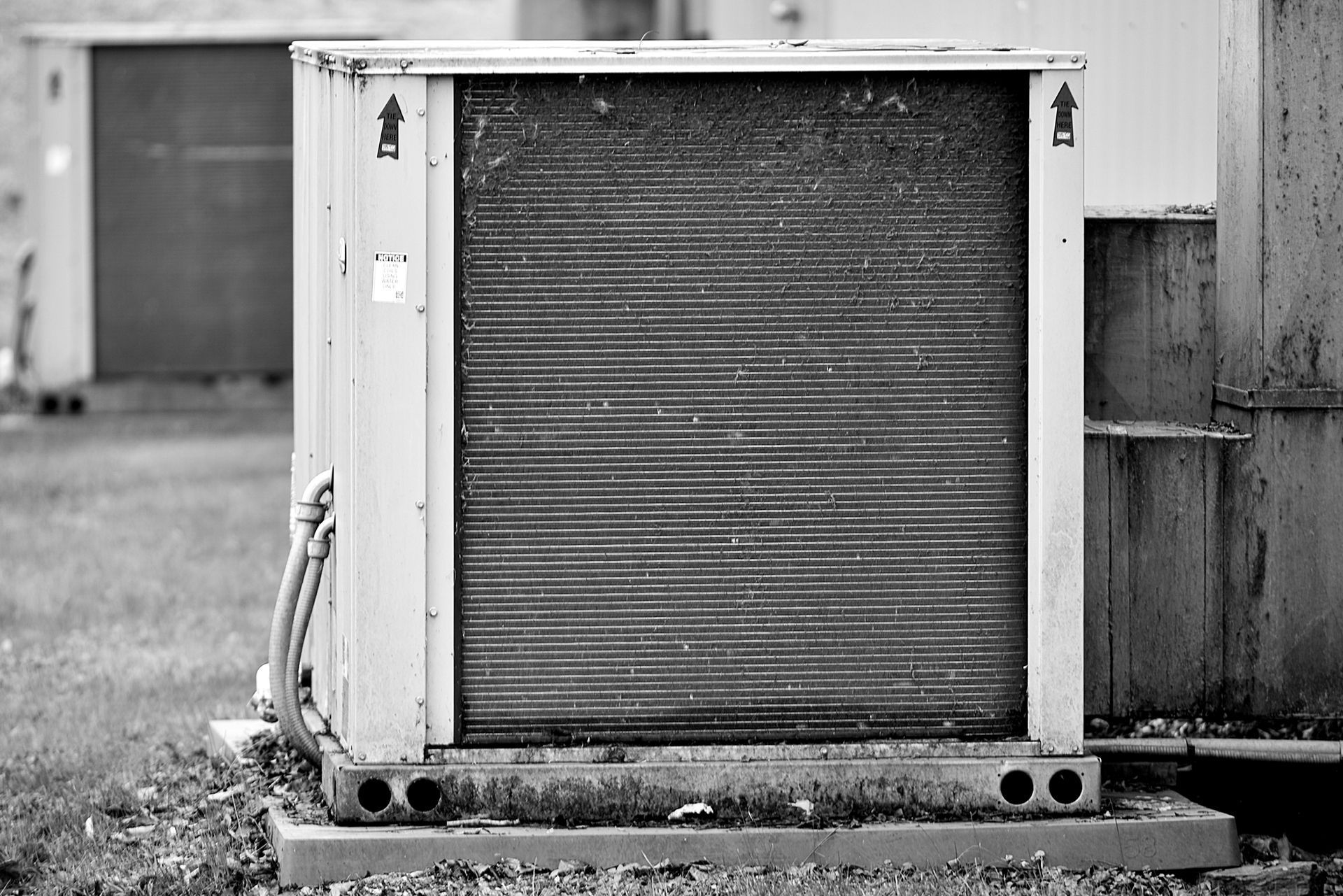
7. Clean the Outdoor Unit
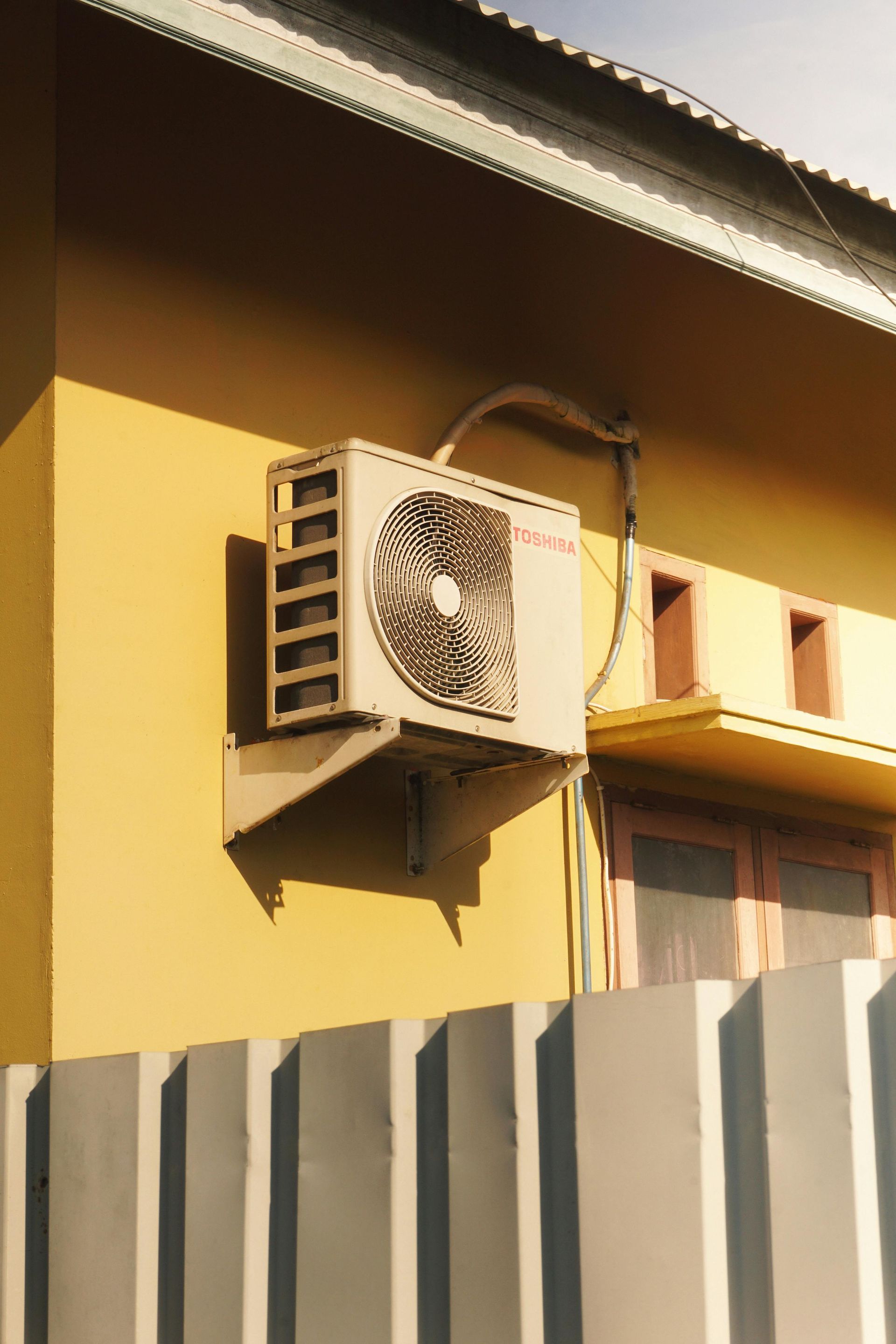
Your outdoor condenser unit plays a crucial role in cooling performance. Dirt, leaves, and debris can accumulate around the unit, restricting airflow and reducing efficiency.
To maintain your outdoor unit:
- Clear debris within two feet of the unit
- Gently rinse coils with a hose
- Check for visible damage or obstructions
Keeping the unit clean allows it to release heat effectively, improving overall system performance.
8. Adjust Thermostat Settings Strategically
Small changes to your thermostat settings can lead to significant energy savings. During summer, setting your thermostat a few degrees higher when you are away can reduce cooling costs. In winter, lowering the temperature slightly when you are asleep or out of the house can improve efficiency.
Recommended settings:
- Summer: 78°F when home, higher when away
- Winter: 68°F when home, lower when away
These adjustments reduce the workload on your HVAC system while maintaining comfort.
9. Use Ceiling Fans to Support Airflow
Ceiling fans can enhance HVAC efficiency by improving air circulation. In summer, fans create a cooling effect that allows you to raise the thermostat without sacrificing comfort.
In winter, reversing the fan direction helps distribute warm air that rises to the ceiling. This reduces the need for additional heating and improves temperature consistency throughout your home.
10. Address Ductwork Issues
Ductwork problems are a common source of inefficiency in many homes. Leaky or poorly designed ducts can cause significant energy loss and uneven temperatures.
Signs of duct issues include:
- Rooms that are consistently too hot or too cold
- High energy bills
- Weak airflow from vents
Professional duct sealing and inspection from
GEM Residential Services can improve efficiency and ensure air is delivered where it is needed most.
11. Reduce Heat Gain in Summer
During Maryland summers, heat entering your home can increase the workload on your air conditioner. Reducing heat gain helps your system cool more efficiently.
Simple steps include:
- Using blackout curtains or blinds
- Closing curtains during peak sunlight hours
- Installing window films to block heat
- Limiting use of heat-generating appliances during the day
These changes help maintain cooler indoor temperatures with less effort from your HVAC system.
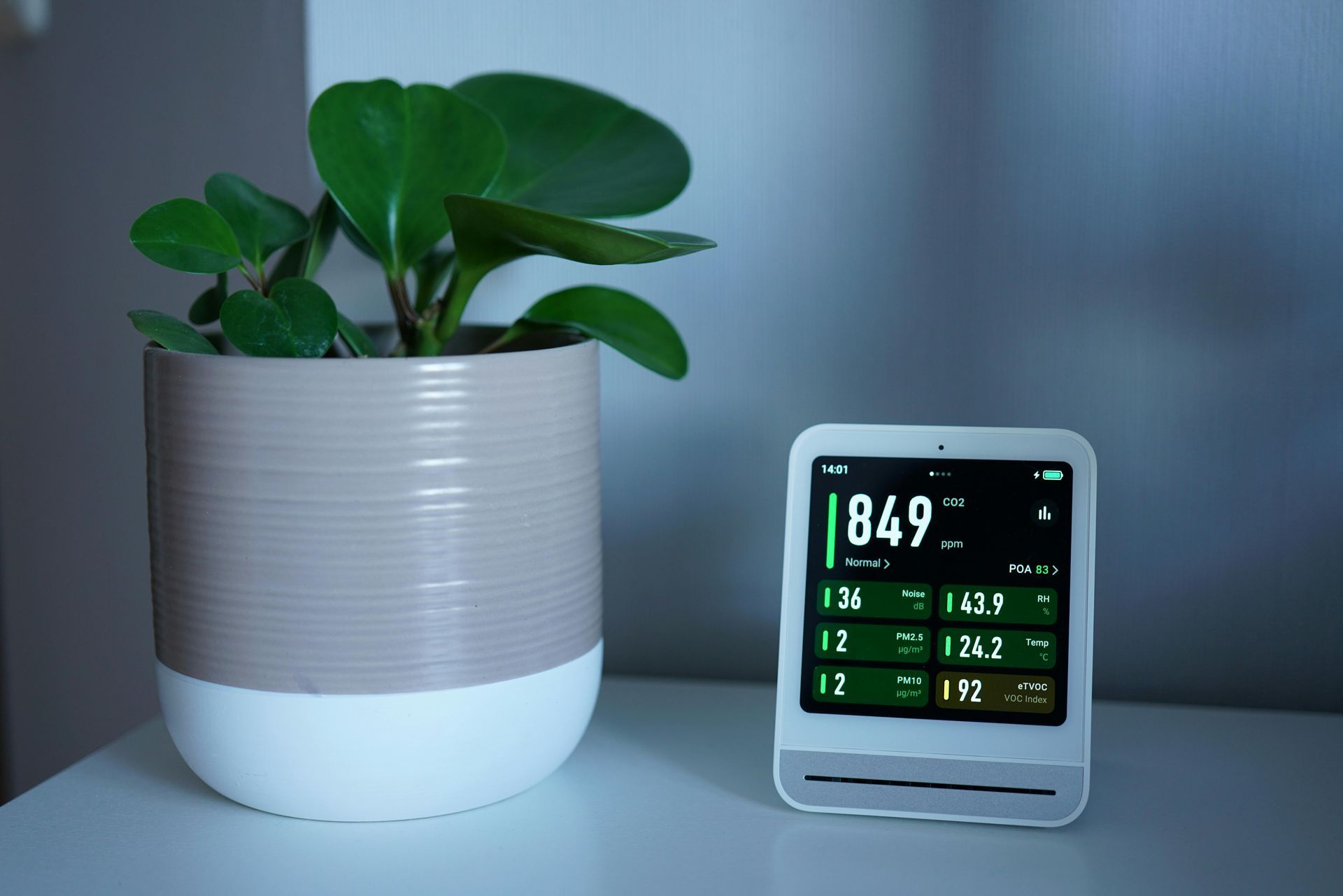
12. Monitor System Performance
Paying attention to how your HVAC system performs can help identify efficiency issues early. Warning signs include:
- Longer run times
- Uneven temperatures
- Increased energy bills
- Strange noises or odors
If you notice these issues, scheduling a professional inspection can help restore efficiency and prevent further problems.
Long-Term Benefits of Improving Efficiency
Improving HVAC efficiency without replacement offers several long-term advantages:
- Lower energy costs over time
- Fewer repairs and service calls
- Extended equipment lifespan
- Improved indoor comfort
- Better air quality
These benefits make efficiency upgrades a smart investment for homeowners looking to maximize their current system.
Frequently Asked Questions About HVAC Efficiency
Can I improve HVAC efficiency without replacing my system?
Yes. Regular maintenance, filter changes, insulation improvements, and smart thermostat upgrades can significantly improve efficiency.
How much can I save by improving efficiency?
Most homeowners see energy savings between 10 and 30 percent depending on the improvements made.
How often should I schedule maintenance?
Twice per year—once in spring and once in fall—is recommended.
Do smart thermostats really make a difference?
Yes. They optimize temperature settings and reduce unnecessary energy use.
Is duct sealing worth it?
Absolutely. Properly sealed ducts improve airflow and reduce energy loss.
Improve Your HVAC Efficiency with Expert Help
If your HVAC system is not performing as efficiently as it should, there are many ways to improve its performance without the cost of replacement. With professional guidance and regular maintenance, you can enjoy lower energy bills and a more comfortable home.
For expert HVAC services in Hyattsville, College Park, Silver Spring, and surrounding Maryland areas, contact
GEM Residential Services at
(202) 286-8636.
Our team is committed to helping homeowners get the most out of their HVAC systems with reliable, cost-effective solutions.