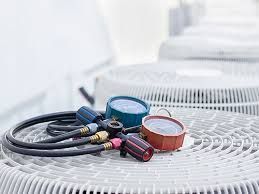
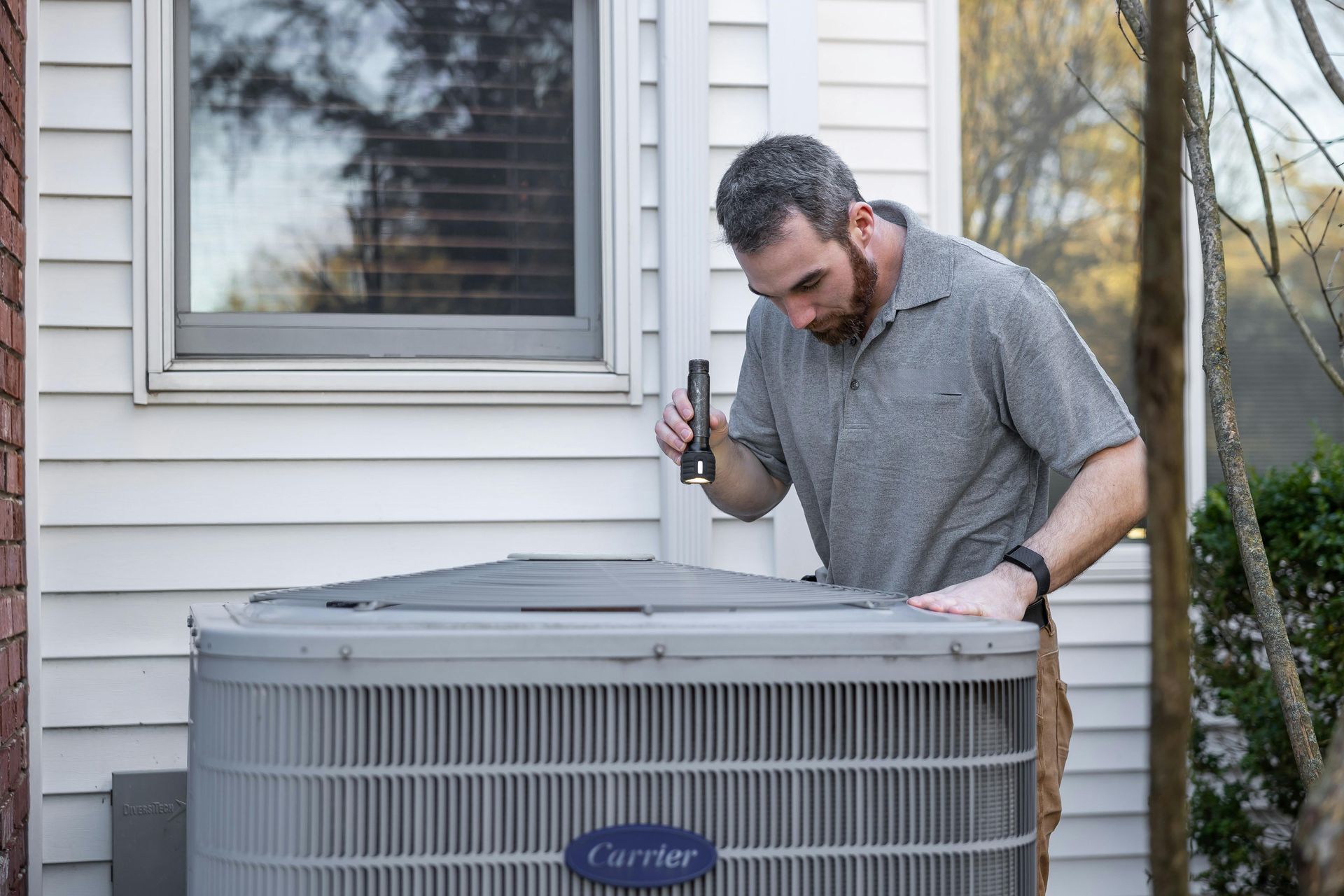
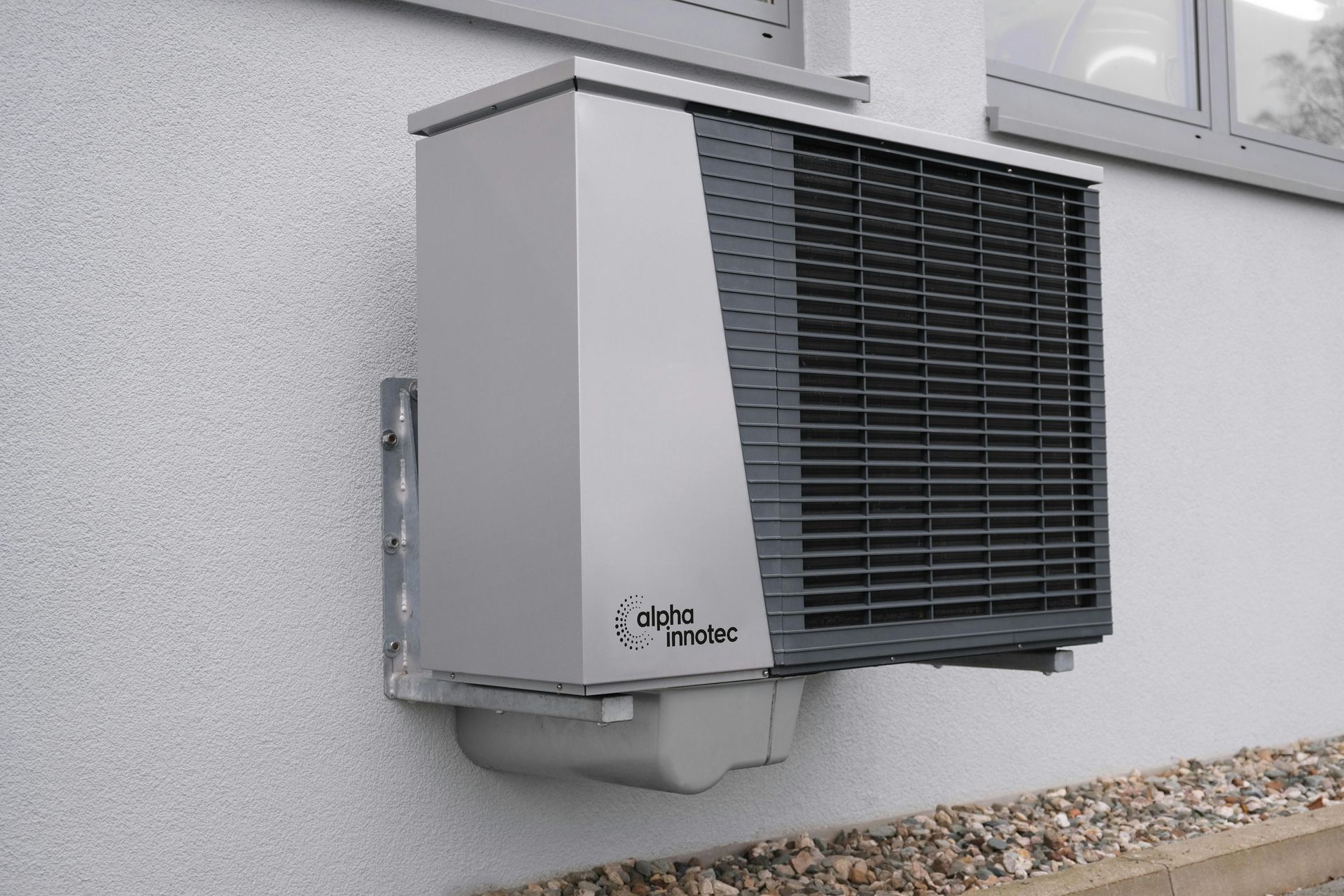
A quiet HVAC system is a sign of healthy performance, but when it begins to make rattling, banging, or humming noises, it can be both irritating and concerning. Unusual sounds often mean something inside your system needs attention—sometimes a simple fix, other times a sign of a larger issue.
The team at
GEM Residential Services in
Hyattsville, Maryland, helps homeowners diagnose and resolve noisy HVAC systems every day. Understanding what causes these sounds can help you address the problem early and avoid costly repairs or breakdowns later on.
Common Noises and What They Mean
Different sounds indicate different issues within your HVAC system. Below are the most common noises Maryland homeowners experience and what each one typically means.
1. Banging or Clanking Sounds
Loud banging or clanking often indicates that a component has come loose. This could be:
- A disconnected blower motor fan
- A loose compressor part
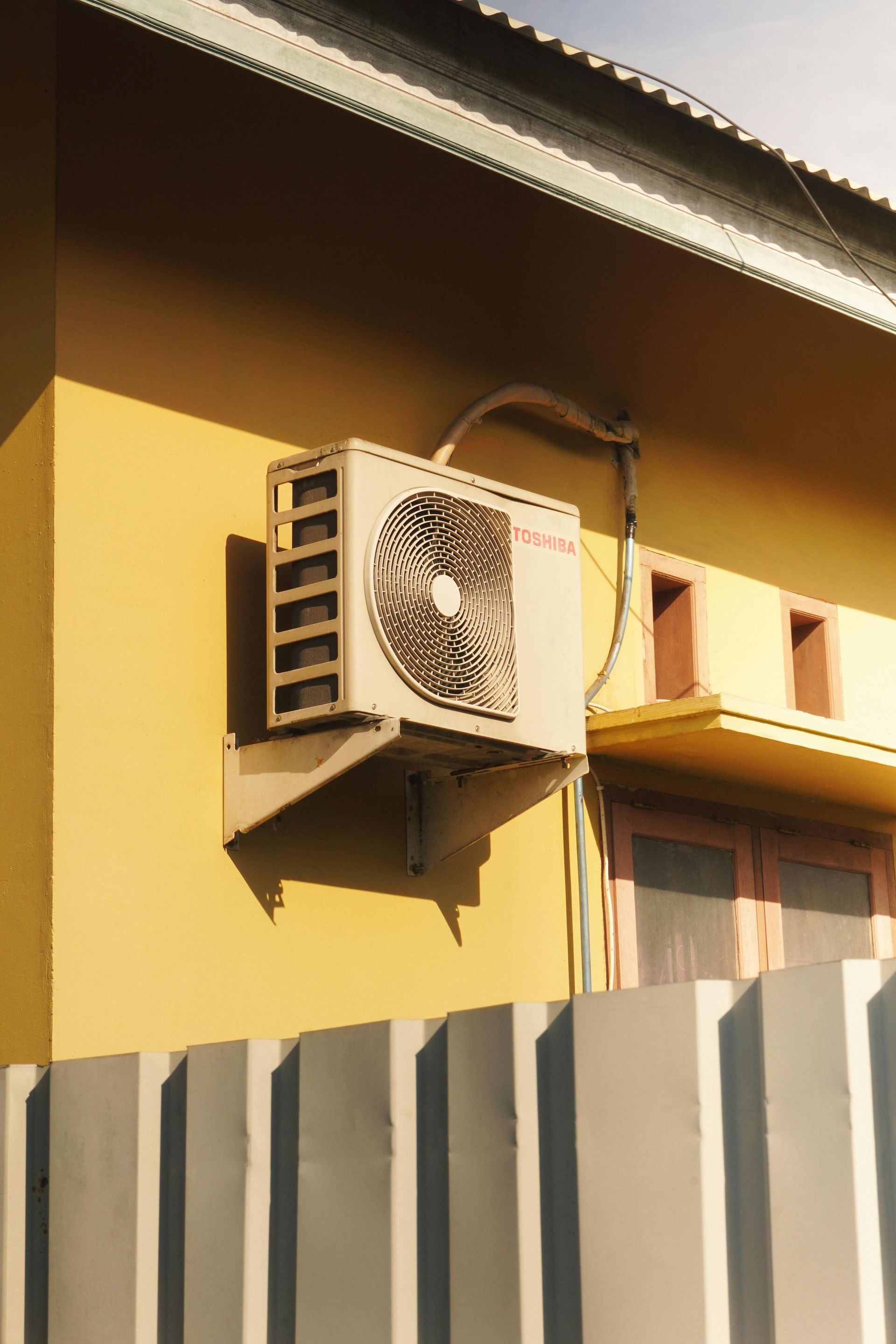
- Debris trapped inside the outdoor condenser unit
These issues can cause damage to internal components if not repaired quickly. Always turn off your system and contact a licensed technician if you hear metal-on-metal sounds.
[Schedule HVAC Repair – https://www.gemresidentialserv.com/contact]
2. Rattling Noises
Rattling is one of the most common noises and can have several causes. Loose screws, bolts, or duct connections often vibrate as air moves through the system. In some cases, debris such as leaves or twigs can enter the outdoor unit and cause the fan to rattle.
If you can safely do so, remove any visible debris and check for loose panel screws. Persistent rattling usually requires a professional inspection to prevent further wear.
3. Squealing or Screeching
A high-pitched squeal usually points to a worn or misaligned belt in older HVAC systems. Modern systems may use direct-drive motors that do not rely on belts, but bearings in the motor can still wear out and create similar noises.
While this sound may not signal an immediate failure, it is a sign that parts are wearing down. Replacing the belt or lubricating the motor bearings promptly can prevent more serious damage.
4. Buzzing or Humming
Buzzing or humming noises may seem harmless, but they often signal electrical issues or failing components. Common causes include:
- Loose electrical connections
- A malfunctioning contactor relay switch
- A failing capacitor or motor
If you hear constant humming when the system is off, shut off power at the breaker and call an HVAC professional immediately. Electrical issues should never be handled without proper training.
5. Clicking Sounds
It is normal to hear a single click when your HVAC system starts or stops. However, repeated clicking could indicate a faulty relay or control board. This is especially common in systems nearing the end of their lifespan.
If clicking continues after the system starts, schedule a diagnostic inspection to prevent further electrical problems.
6. Whistling or Hissing
Whistling noises often result from air leaks in your ductwork, vents, or filter housing. A dirty or improperly installed air filter can also cause airflow restriction, creating a whistling sound as air struggles to pass through.
Check your filters first, then inspect the duct connections for visible gaps. Duct sealing performed by
GEM Residential Services can eliminate leaks, improve efficiency, and restore quiet operation.
7. Popping or Booming
Loud popping or booming sounds often originate from your ductwork rather than the HVAC unit itself. As warm or cool air passes through metal ducts, temperature changes cause expansion and contraction.
While some noise is normal, excessive booming can mean ducts are too thin, poorly secured, or improperly sized. Adding insulation or adjusting ductwork design can greatly reduce these sounds.
Troubleshooting Tips for Homeowners
While some noises require professional attention, there are a few things you can check safely at home before calling a technician.
- Inspect and Replace Air Filters
Dirty filters restrict airflow, causing strain and noise. Replace filters every one to three months for best results.
- Tighten Loose Panels or Screws
Carefully tighten visible screws on the furnace cover or air handler panels to stop minor vibrations.
- Clear Debris Around Outdoor Units
Remove leaves, branches, and dirt from around your condenser to prevent fan obstruction.
- Check for Loose Vents or Registers
Make sure vents are firmly secured to prevent rattling or vibration sounds.
- Verify Proper Airflow
Keep all supply and return vents open and unblocked by furniture or curtains to ensure balanced airflow.
- Turn Off the System if the Noise Persists
If sounds continue or worsen, shut down your HVAC system to prevent damage and schedule professional service immediately.
Why Ignoring HVAC Noises Can Be Costly
A noisy HVAC system is not only distracting—it is often an early warning sign of mechanical failure. Ignoring these sounds can lead to:
- Higher energy bills due to inefficiency
- Worn or damaged internal components
- Complete system breakdowns
- Costly emergency repairs
Early diagnosis saves money and prevents extended downtime, especially during peak heating and cooling seasons.
How Professional HVAC Technicians Diagnose the Problem
When you schedule service with
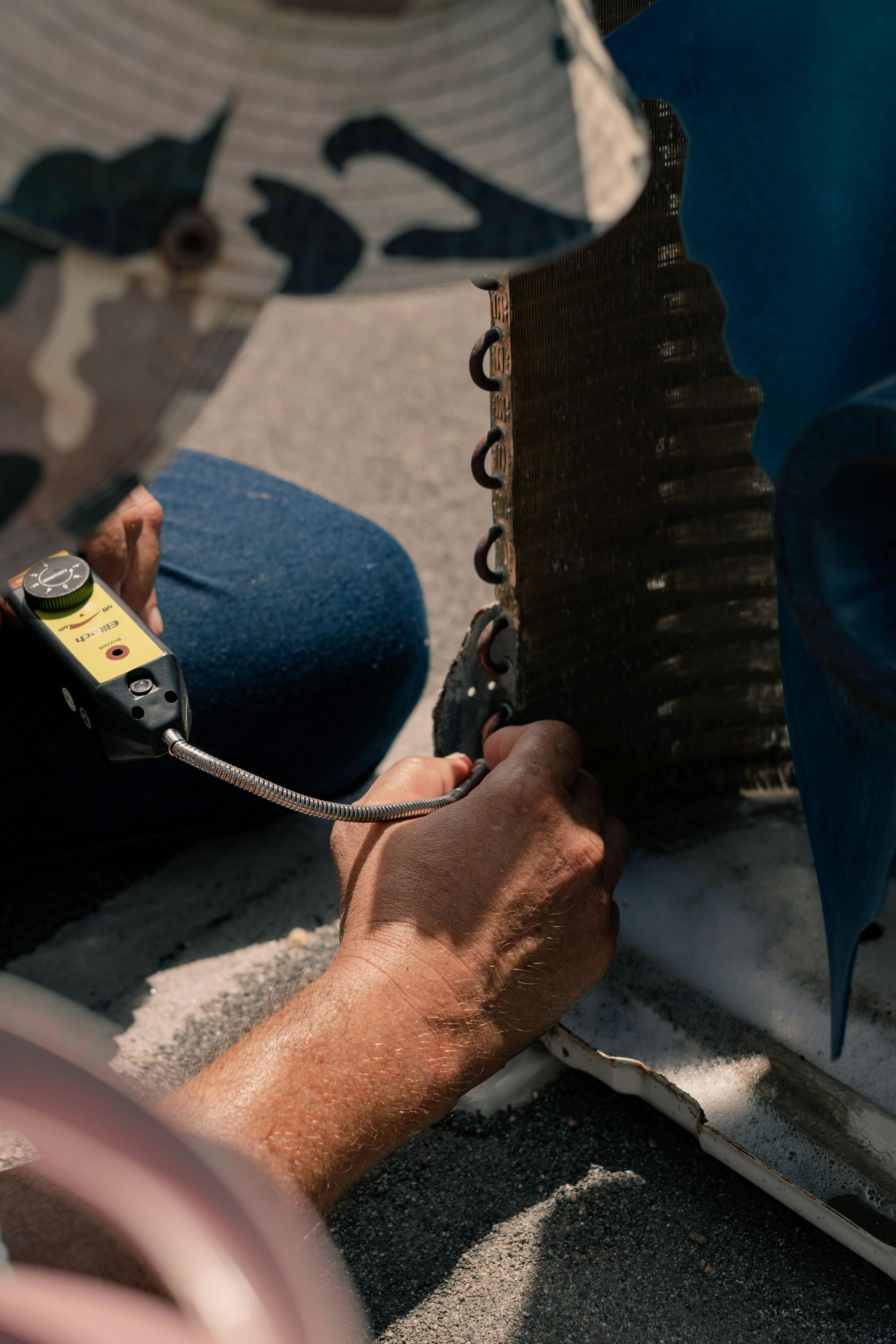
GEM Residential Services, our trained technicians perform a detailed inspection that includes:
- Listening to the system during operation
- Checking belts, bearings, and motor assemblies
- Inspecting fan blades, coils, and mounting brackets
- Testing electrical components for faults
- Evaluating airflow and duct connections
After diagnosis, you will receive a clear explanation of the issue, repair options, and transparent pricing—so you can make an informed decision with confidence.
Preventing Future Noises and HVAC Problems
Prevention is always more effective than repair. To keep your HVAC system running smoothly and quietly:
- Schedule
professional maintenance twice per year—once in spring and once in fall.
- Keep outdoor units free from obstructions.
- Replace filters regularly.
- Ensure ducts are properly sealed and insulated.
- Have electrical components checked during annual tune-ups.
Routine maintenance from
GEM Residential Services helps catch minor issues before they cause noise, inefficiency, or system failure.
[Learn About Maintenance Plans – https://www.gemresidentialserv.com/hvac-maintenance]
Frequently Asked Questions About Noisy HVAC Systems
Is it normal for my HVAC to make noise when starting up?
A brief noise during startup is normal, but loud banging, rattling, or squealing indicates a problem that needs inspection.
Can I fix a noisy HVAC system myself?
You can perform basic tasks such as replacing filters or tightening panels. Electrical or mechanical repairs should be left to professionals.
Why does my air conditioner make noise at night?
Outdoor units can vibrate against nearby objects or debris may interfere with the fan. Ensure the unit is clear and mounted securely.
How much does it cost to fix a noisy HVAC system?
Repair costs vary based on the issue but typically range between $150 and $600 for minor problems. Complex repairs involving motors or compressors may cost more.
How often should I schedule maintenance to prevent noise issues?
Most manufacturers recommend professional maintenance twice a year to ensure quiet, efficient operation.
Expert HVAC Service for Maryland Homeowners
No HVAC system should disturb the peace and quiet of your home. Whether you are hearing rattling, humming, or banging, the experts at
GEM Residential Services are here to help.
We provide reliable, honest, and affordable HVAC repair services throughout
Hyattsville, College Park, Silver Spring, and surrounding Maryland communities.
Contact
GEM Residential Services today at
(202) 286-8636 or visit https://www.gemresidentialserv.com/contact to schedule a professional inspection.
With expert care and regular maintenance, you can enjoy quiet, efficient comfort all year long.