How Indoor Air Quality Affects Your HVAC Efficiency

Many homeowners think of indoor air quality and HVAC performance as two separate topics, but they are closely connected. When the air inside your home is filled with dust, pollen, and other contaminants, your heating and cooling system must work harder to maintain comfort. Over time, this strain can increase energy bills, cause more frequent repairs, and reduce the system’s lifespan.
At
GEM Residential Services, we often find that improving indoor air quality is one of the simplest and most effective ways to enhance overall HVAC efficiency. In this guide, we explain how the two are related and what steps Maryland homeowners can take to create a cleaner, healthier, and more efficient home.
Understanding Indoor Air Quality
Indoor air quality (IAQ) refers to the level of cleanliness, humidity, and pollutant concentration inside your home. Poor IAQ results from a buildup of dust, pet dander, pollen, mold spores, and even volatile organic compounds (VOCs) emitted by cleaning products and furnishings.
According to the Environmental Protection Agency (EPA), indoor air can be two to five times more polluted than outdoor air. Since most people spend over 90 percent of their time indoors, maintaining clean air is essential for both health and comfort.
How Poor Indoor Air Quality Impacts HVAC Efficiency
1. Dust and Debris Restrict Airflow
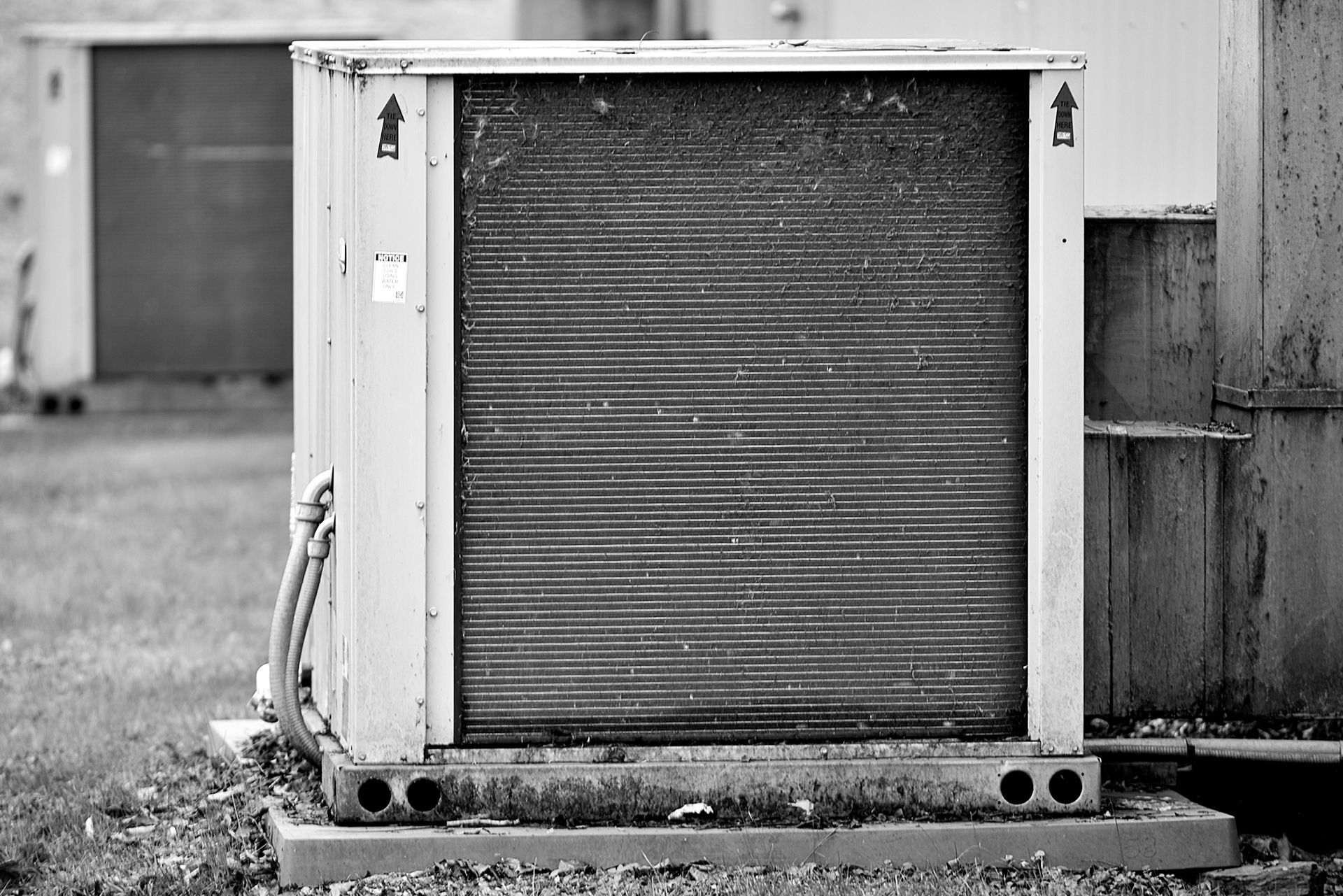
When airborne particles accumulate inside your ducts, vents, and filters, airflow through your HVAC system becomes restricted. Reduced airflow forces your blower motor to work harder, increasing energy use and wear. Over time, this can lead to overheating or frozen coils, requiring costly repairs.
2. Dirty Filters Reduce System Performance
Your air filter is the first line of defense against indoor pollutants. A clogged filter not only decreases air quality but also limits airflow. When airflow drops, your system must run longer to reach the desired temperature, wasting energy and increasing strain on components. Replacing filters every one to three months is one of the most important steps you can take to maintain efficiency.
3. Humidity Levels Affect Comfort and Efficiency
Humidity plays a major role in both air quality and HVAC performance. Maryland’s humid summers can make homes feel warmer than they actually are, causing air conditioners to run longer. Conversely, low humidity during winter months can make air feel colder, prompting homeowners to raise the thermostat.
Maintaining balanced humidity levels—typically between 30 and 50 percent—improves comfort and reduces the workload on your HVAC system.
4. Mold and Mildew Can Damage Components
Poor ventilation and excess humidity often lead to mold growth in ductwork, coils, and drain pans. Mold not only harms air quality but can also block airflow and corrode system parts. Regular cleaning and preventive maintenance can keep these contaminants under control and protect your HVAC investment.
5. VOCs and Pollutants Affect Sensor Accuracy
Modern HVAC systems often include sensors that measure temperature, humidity, and air pressure. Excess VOCs and chemical particles can interfere with these sensors, causing inaccurate readings and inefficient operation. Improving air filtration and ventilation helps maintain system accuracy and stability.
Signs of Poor Indoor Air Quality
Many homeowners are unaware that their air quality has declined until they experience health or comfort issues. Common signs include:
- Dust accumulation on vents and furniture
- Frequent sneezing or allergy symptoms indoors
- Musty or stale odors
- Uneven heating or cooling
- Increased energy bills
- Frequent HVAC filter replacements
If you notice one or more of these symptoms, it may be time to have your air quality tested and your HVAC system evaluated by a professional technician.
Improving Indoor Air Quality for Better Efficiency
1. Replace or Upgrade Air Filters Regularly
Basic filters trap large particles but may not capture smaller pollutants like mold spores or smoke. Upgrading to high-efficiency particulate air (HEPA) filters or media filters can significantly improve air quality and help your HVAC system operate more efficiently.
2. Schedule Routine HVAC Maintenance
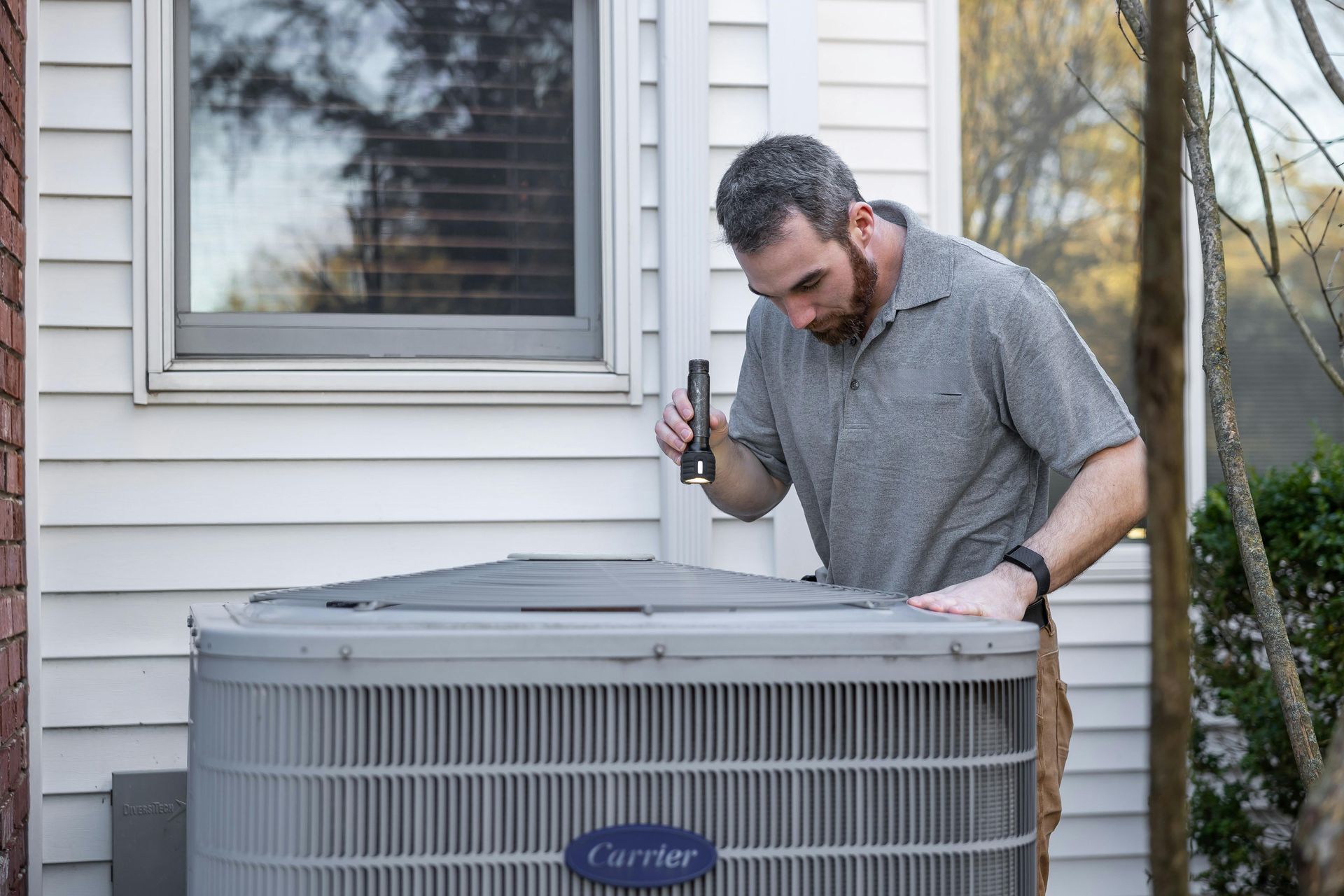
Regular maintenance is the key to keeping both your air quality and system performance high. During a maintenance visit, GEM Residential Services technicians clean coils, inspect ductwork, and check airflow to ensure your system runs smoothly.
Consistent tune-ups help prevent dust buildup, maintain airflow, and identify issues before they become major problems.
3. Clean and Seal Ductwork
Dirty or leaky ducts are a common source of air quality and efficiency problems. Professional duct cleaning removes dust, debris, and allergens, while sealing leaks prevents conditioned air from escaping. This improvement enhances comfort, reduces energy loss, and keeps indoor air cleaner.
4. Control Humidity Levels
Installing a whole-home dehumidifier or humidifier keeps moisture levels balanced throughout the year. Balanced humidity prevents mold growth, reduces dust mites, and allows your HVAC system to maintain comfort more efficiently.
5. Add Air Purification or Ventilation Systems
Advanced air purifiers and ventilators can remove up to 99 percent of airborne particles, including bacteria and viruses. These systems work alongside your HVAC equipment to deliver cleaner, fresher air to every room.
For Maryland homeowners, adding a ventilation system can be especially beneficial during humid summers when air tends to feel stagnant.
The Long-Term Benefits of Clean Indoor Air
Improving indoor air quality has lasting benefits beyond immediate comfort. Homeowners who invest in better IAQ solutions often experience:
- Lower monthly energy bills
- Longer HVAC system lifespan
- Fewer repair calls
- Reduced allergy and asthma symptoms
- Enhanced comfort during extreme temperatures
Clean air allows your HVAC system to perform efficiently and reliably, saving you money while protecting your family’s health.
Professional Indoor Air Quality Solutions in Maryland
GEM Residential Services provides comprehensive indoor air quality and HVAC efficiency solutions for homeowners throughout Hyattsville, College Park, Silver Spring, and nearby Maryland communities.
Our team offers:
- Professional HVAC inspections and tune-ups
- Duct cleaning and sealing
- Air filtration and purification system installation
- Humidity control solutions
- Honest recommendations for long-term efficiency
We understand that every home is different, which is why we tailor our services to your specific comfort and air quality needs.
Frequently Asked Questions About Indoor Air Quality and HVAC Systems
How often should I replace my HVAC filters?
Most homes should replace filters every one to three months. Homes with pets or high dust levels may require monthly replacements.
Can air duct cleaning really improve efficiency?
Yes. Clean ducts allow air to flow freely, reducing strain on your system and improving overall comfort and efficiency.
Do air purifiers work with existing HVAC systems?
Yes. Whole-home air purifiers integrate directly into your HVAC system, filtering pollutants as air circulates through the ducts.
How can I tell if humidity levels are too high or low?
Use a hygrometer to measure indoor humidity. Ideal levels are between 30 and 50 percent. Persistent condensation or static electricity may signal an imbalance.
Does poor air quality affect energy bills?
Absolutely. Restricted airflow, clogged filters, and dust buildup make your HVAC system work harder, leading to higher energy consumption.
Healthier Air and Greater Efficiency Start Here
Maintaining clean indoor air is not only good for your health—it is also one of the smartest ways to improve HVAC performance and lower energy costs.
To learn more about professional air quality testing, system upgrades, or maintenance options, contact GEM Residential Services at (202) 286-8636 or visit https://www.gemresidentialserv.com/contact.
Serving
Hyattsville, College Park, Silver Spring, Takoma Park, and the surrounding Maryland areas, our team is dedicated to helping homeowners breathe easier and enjoy reliable year-round comfort.